 Nibbly
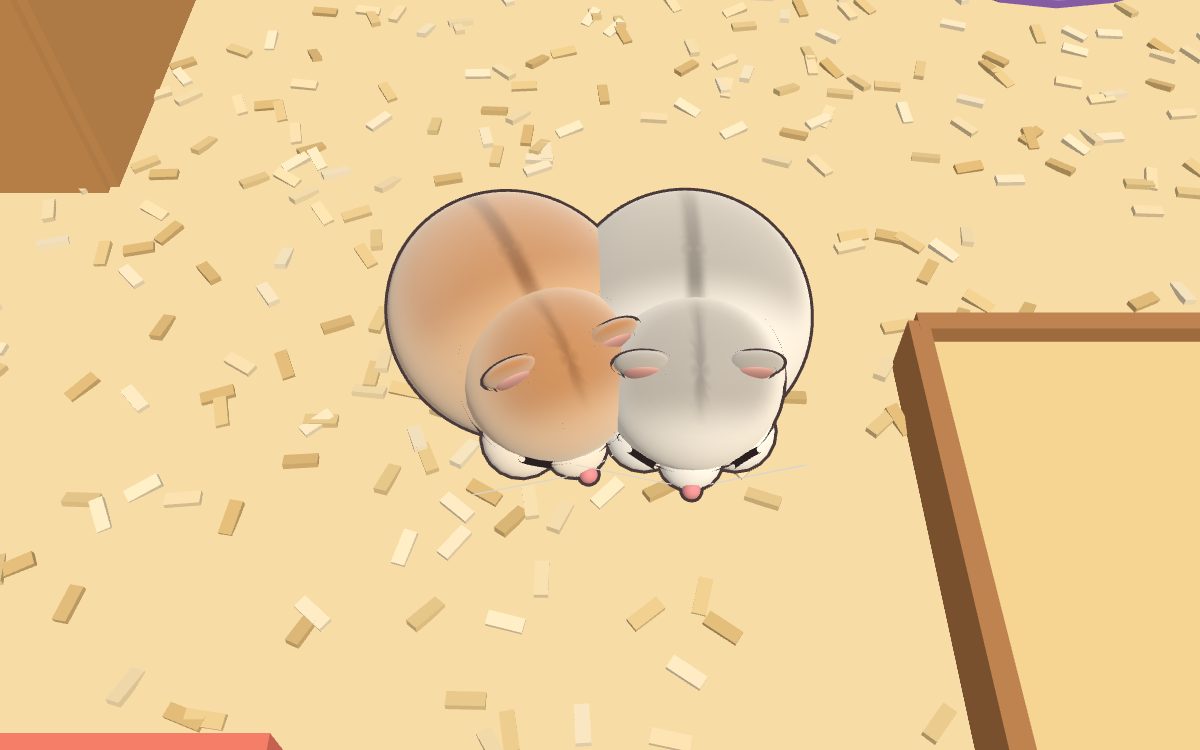
What torpor is
The winter white dwarf hamster comes from steppes with very cold winters. To save energy, it can go into daily torpor: its body temperature and pace drop for a few hours. At home it happens when the room is cold, below about 60 °F, or light and food run short. It is not long hibernation like other animals, and it is not good for a pet.
How to tell it from a dead hamster
- It breathes, though very slowly: watch its side for a full minute.
- Its whiskers twitch now and then.
- Its body is cold but soft, not stiff.
- Once warmed, within a few hours, it starts to move.
How to wake it up
- Move it to a warm room, 68 to 72 °F.
- Warm it in your hands or wrapped in a cloth, or with a lukewarm (not hot) water bottle wrapped in a towel beside it.
- No hair dryers, heaters or water: a sudden change is dangerous.
- Once it wakes, offer water and some soft food.
- If it does not respond within a few hours, or seems weak afterwards, see a vet.
How to prevent it
Keep its room between 65 and 75 °F, away from windows and drafts, with food and nesting bedding always available. Give it normal daylight hours. Do not put it next to a radiator either: too much heat is just as bad, as the guide on hamsters and heat explains.
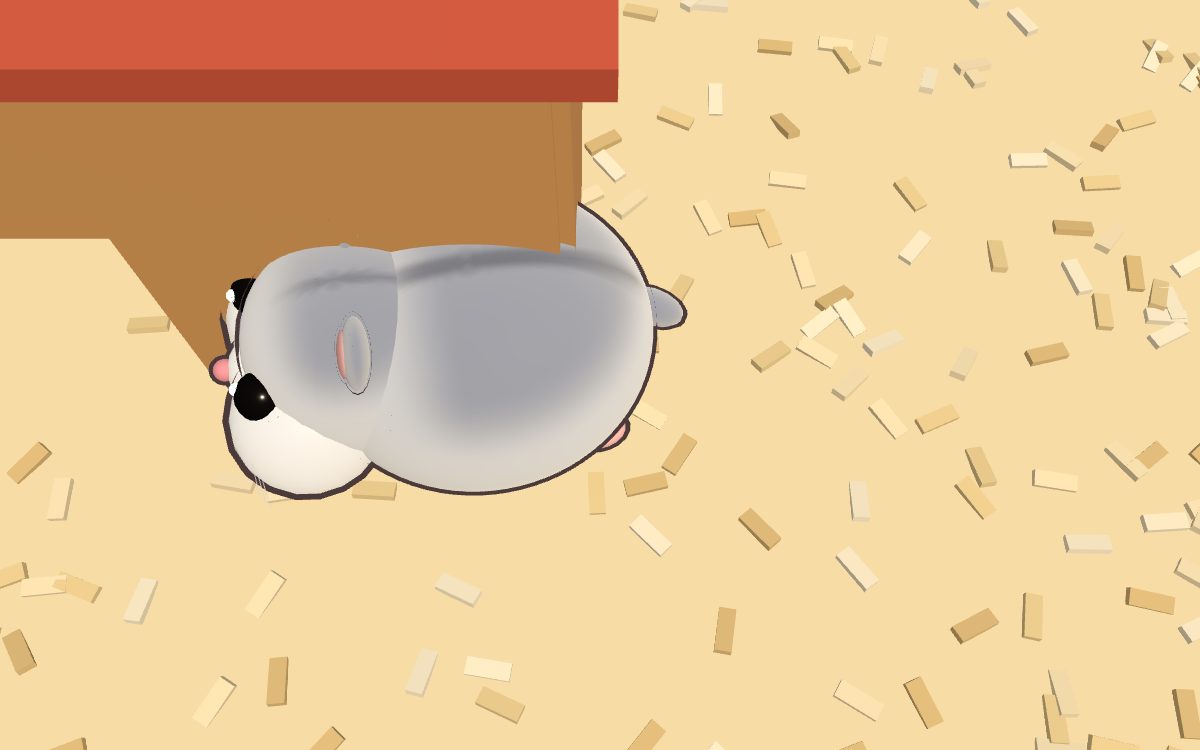
In Nibbly they sleep on schedule
Your Nibbly hamsters sleep like real ones: by day and curled up, in their house or next to a friend, and wake up at dusk. Wake them to play and they get grumpy.
Adopt your hamsters in NibblyFrequently asked questions
Is my hamster dead or in torpor?
Check whether it is breathing, however slowly, and whether its body is soft. If so, warm it gradually: it should move within a few hours. If not, see a vet.
At what temperature does a dwarf hamster go into torpor?
It can happen below about 60 °F, especially with short days. At home, keep it between 65 and 75 °F.