 Nibbly
The most common causes
- Fear: it is a prey animal, and a big hand swooping from above is what a bird of prey would do.
- You woke it up: it sleeps by day, and a hamster pulled out of sleep defends itself.
- Your hands smell of food: its eyesight is poor and it goes by smell, so a finger can pass for a snack.
- It has just arrived: in the first days everything is new and it is on the defensive.
- It was held badly or for too long: if it feels trapped, it bites to be let go.
- Something hurts: a once-tame hamster that starts biting may be ill or injured.
- It is guarding its territory: some bite if you reach into their house or larder.
How to stop it biting
- Let it settle in: do not pick it up for the first few days; just talk to it near the cage.
- Wash your hands with unscented soap before touching it.
- Pick your moment: at dusk, once it is awake and active.
- Rest a still hand in the cage with a seed or a bit of vegetable on your palm, and let it come to you.
- Scoop it from below with both hands cupped, low down or sitting on the floor in case it jumps.
- Short sessions of a few minutes every day: consistency matters more than length.
What to do if it bites you
- Do not drop it or shout: a fall from your height can badly hurt it, and the fright deepens its fear.
- Put it calmly back in the cage and try again another day, one step further back.
- Wash the bite with soap and water; if it swells or keeps hurting, see a doctor.
- Never punish it or blow on it: it does not understand and only learns to fear you more.
Nibbling is not biting
Sometimes a hamster nibbles gently to explore: it is testing what your finger is. That is different from a defensive bite, which is quick and hard. If a hamster that never bit suddenly starts, check that it eats and moves normally, in case something hurts. Non-stop bar chewing usually means boredom: it needs a bigger cage and more to do. More signs in how to tell if a hamster is happy.
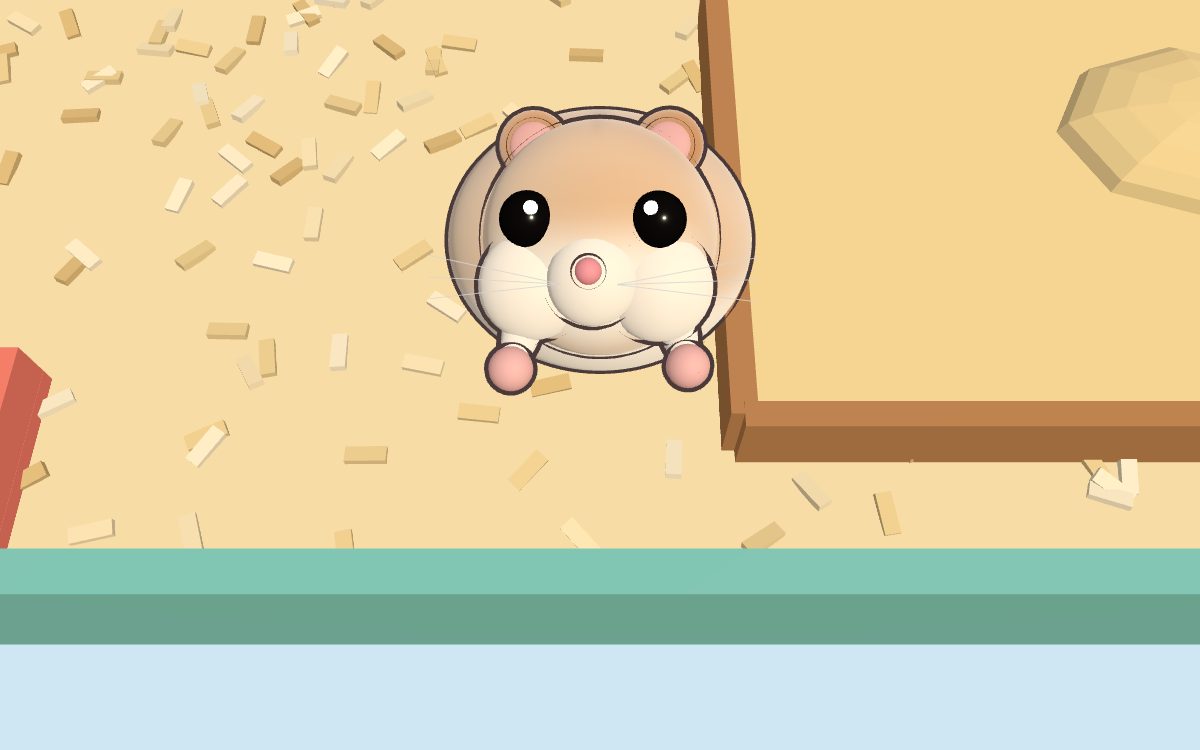
In Nibbly you have to earn their trust too
Your Nibbly hamsters react like real ones when you pick them up and stroke them:
- While they are still afraid of you, they flee your hand and hide.
- Pick them up while they are wary, annoyed or just woken, and they may bite to be put down; shy ones more so.
- They love a stroke on the head, like one on the back and cannot stand having their belly touched.
- Every treat from your hand builds trust, until they adore you.
Frequently asked questions
Is it normal for a hamster to bite?
Yes, especially at first. It bites out of fear, because it was woken up or because hands smell of food. With patience, most stop.
Does a hamster bite hurt?
It can hurt and draw blood, as their teeth are very sharp, but it is rarely serious. Wash it with soap and water and see a doctor if it swells.
How long until a hamster stops biting?
It depends on its character, but with short daily sessions many gain trust in two to four weeks. Shy ones can take longer.